
Homeownership is more than just having a place to live; it is one of the most powerful wealth-building vehicles available. Every intentional upgrade you make to your property has the potential to do double duty, elevating your daily comfort while actively forcing appreciation. However, not all renovations are created equal. While a highly personalized, luxury hobby room might bring you personal joy, it rarely moves the needle during an official property valuation.
To truly maximize your equity, you must look at your home through the objective lens of a real estate appraiser. Appraisers evaluate properties based on systemic structural integrity, modernized core systems, energy efficiency, and overall marketability compared to recent neighborhood sales. The smartest investments balance crucial invisible infrastructure protections with high-impact, universally appealing aesthetic finishes. By focusing on projects that mitigate buyer risk and enhance visual appeal, you can systematically elevate your property’s appraisal baseline.
Fortifying the Protective Shell
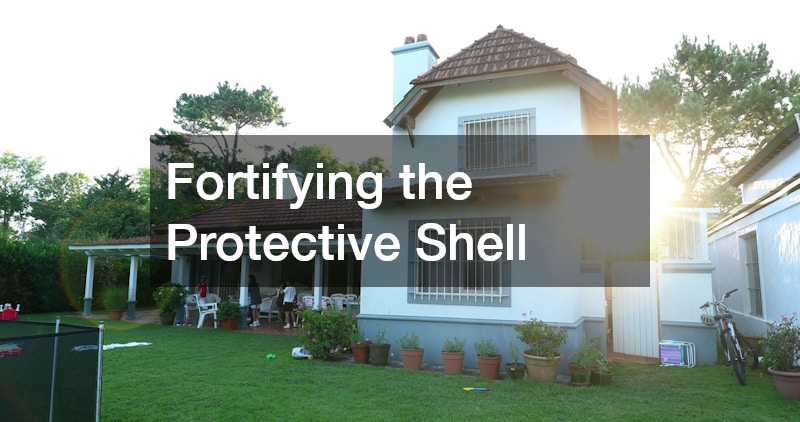
The exterior envelope of your home is its first line of defense against the elements and the absolute foundation of its market value. No matter how beautiful an interior remodel is, a compromised exterior shell will instantly tank an appraisal, as it signals imminent risk of water damage and structural decay to potential buyers.
Investing in your roof is one of the most certain ways to preserve and protect your property’s baseline equity. A roof nearing the end of its life cycle is an immediate deduction on a condition report, often stalling real estate transactions entirely. When assessing your roof, keep the following actionable steps in mind:
- Audit for Hidden Aging: Look for curling or buckling shingles, missing granules in your gutters, and subtle water tracking along interior attic rafters.
- Upgrade Wisely: When it comes time to replace, consider transitioning from standard three-tab shingles to architectural shingles, which offer superior wind resistance and a dimensional look that appraisers appreciate.
- Prioritize Certified Labor: Handing your roof replacement over to an unvetted crew can result in voided manufacturer warranties. Securing a certified residential roofing contractor ensures the job complies with local building codes and that all material warranties remain fully transferable to future buyers.
Simultaneously, you must look at the building envelope’s openings. Drafty, single-pane frames are a major source of thermal loss, forcing mechanical systems to work twice as hard and driving up utility bills—a metric modern buyers inspect closely.
To optimize your thermal efficiency, focus on updating old glass units. Modern double-pane windows utilizing argon gas fills and low-emissivity coatings reflect infrared light, keeping heat inside during the winter and outside during the summer. Beyond the immediate energy savings, replacing failing wood or aluminum windows with durable vinyl frame windows provides a clean, updated look that requires virtually zero maintenance, instantly boosting the home’s condition rating on appraisal forms.
Maximizing First Impressions and Curb Appeal
An appraiser’s evaluation begins the exact moment they drive up to your property. This initial interaction establishes a psychological baseline for the rest of the inspection. If the exterior looks neglected, the appraiser will automatically look closer for signs of deferred maintenance throughout the interior.
The vehicular approach and the main entryway set the tone for the entire property. Cracks, oil stains, and uneven surfaces on your walkways or driveway create an immediate impression of neglect.
- Assess Surface Integrity: Small hairline cracks can often be patched and sealed, but deep, spiderweb-patterned cracking usually points to a failing sub-base.
- Address Water Management: Ensure that any hardscaping slopes away from your home’s foundation to prevent pooling and structural erosion.
- Choose Professional Installation: For extensive grading, excavation, or complete repaving, partnering with an experienced driveway company ensures that the subgrade is properly compacted to withstand heavy vehicle loads and harsh freeze-thaw cycles over time.
Once the structural surfaces underfoot are stable, look upward at the vertical surfaces of the home. Faded, peeling, or outdated exterior paint can make a structurally sound home look decades older than it actually is.
A fresh coat of exterior paint offers one of the highest returns on investment of any cosmetic project. Stick to universally appealing, sophisticated neutral color palettes—such as warm grays, soft off-whites, or muted earth tones—that complement the architectural style of your neighborhood. The secret to a flawless finish lies entirely in the preparation work, including thorough pressure washing, scraping, wood rot remediation, and high-quality priming. Because high-altitude prep work can be hazardous and meticulous execution is required for longevity, hiring a licensed exterior painting company is a smart way to ensure a flawless finish that locks in structural protection and visual equity.
Mastering Interior Layouts and Living Spaces

While the exterior draws people in, the interior spaces dictate how comfortably a family can live. When looking to build equity indoors, focus heavily on the spaces where people spend the vast majority of their time: the kitchen, the bathrooms, and the primary living zones.
Kitchens and bathrooms remain the undisputed champions of interior valuation. A modern, functional kitchen tells buyers and appraisers that the home is up to date. You don’t always need a down-to-the-studs luxury remodel to see an equity lift; minor to mid-range updates often yield a higher percentage return on investment.
- Upgrade Key Surfaces: Swap out scratched laminate countertops for timeless, durable options like quartz or granite.
- Focus on Cabinetry: If the cabinet boxes are structurally sound, consider refacing the doors or painting them a crisp neutral color while updating old hardware.
- Optimize Layout Flow: Ensure the classic kitchen work triangle—the path between the refrigerator, sink, and stove—is unobstructed and intuitive.
To execute these projects seamlessly without running into costly code violations or layout mistakes, it is wise to collaborate with a skilled local remodeler. A professional who knows your specific regional market can guide you toward finishes that appeal directly to neighborhood demographics, preventing you from over-improving the space past its earning potential.
While a beautiful kitchen handles the visual appeal, the underlying indoor climate network handles the actual habitability of the home. An ancient, noisy furnace or a dying air conditioning compressor will lead to a direct financial deduction during an appraisal.
Modern buyers expect reliable, energy-efficient climate control. Upgrading to a high-efficiency system, introducing multi-zone heating and cooling, or installing a smart thermostat can dramatically lower monthly operating costs. When updating these complex networks, ensure you work with a certified HVAC contractor who can properly size the equipment to your home’s square footage. Once installed, keep a dedicated folder of all certified installation documents and seasonal maintenance records; presenting this proof of mechanical viability to an appraiser or buyer validates that your home’s core infrastructure is pristine.
Securing and Structuring the Property Perimeter
Building equity isn’t confined strictly to the four walls of your house. Buyers place a massive premium on how well the outdoor boundaries are defined, secured, and optimized for privacy and recreation.
Defining your property lines with high-quality fencing adds clear, tangible value, especially for highly sought-after buyer demographics like families with young children or pet owners. A well-constructed perimeter clean-cut boundary line instantly increases a home’s perceived marketability.
- Verify Property Boundaries: Always secure a certified property survey before digging fence posts to avoid legal disputes or being forced to tear down a new structure.
- Understand Zoning Regulations: Check local municipal codes regarding maximum allowable fence heights and setback rules for front and side yards.
- Select Quality Materials: While synthetic materials are common, traditional wood fences remain incredibly popular for their natural beauty and architectural versatility. If you choose wood, make sure the posts are set deeply in concrete below the frost line, and apply a high-quality sealant or stain to protect the material from moisture rot and UV fading.
A secure, beautifully bounded yard transitions your property from a simple house into a private sanctuary, providing a distinct competitive edge over neighboring homes with wide-open, exposed lawns.
Optimizing Critical Subterranean Infrastructure

Some of the most vital components for maintaining a home’s appraised value are completely invisible to the naked eye. Subterranean utilities and waste management systems dictate whether a house is a safe, habitable structure or a ticking financial time bomb.
For properties located in suburban or rural areas without access to municipal sewer lines, the on-site waste management infrastructure must be flawless. A failing waste system can lead to catastrophic property damage, environmental contamination, and immediate condemnation, completely destroying your equity overnight.
- Maintain Regular Pumping Schedules: Depending on household size, have your tank pumped out every three to five years to prevent solid waste from migrating into the drain field.
- Watch for Warning Signs: Slow drains, gurgling pipes, patchily lush green grass over the absorption field, or faint odors are immediate indicators of system duress.
- Conduct Video Inspections: Prior to listing a home or undergoing an appraisal, a digital camera line inspection can prove the structural integrity of your underground pipes.
Having a documented, clean bill of health for your septic system removes a massive point of anxiety for prospective buyers and confirms to an appraiser that the property’s foundational utility systems are fully operational.
Parallel to waste management is the necessity of a clean, consistent supply of freshwater. For off-grid or semi-rural properties, the health, depth, and mechanical reliability of your water extraction system are critical to baseline valuation.
If your home relies on an independent groundwater source, regular testing and system maintenance are non-negotiable. Appraisers and lenders frequently require water potability and yield tests to verify that the home has a safe, adequate supply of gallons per minute. When water pressure drops unexpectedly, or a pressure tank begins cycling rapidly, it is essential to contact a professional well service to diagnose electrical faults, pump wear, or wellbore obstructions. Keeping this water supply infrastructure pristine safeguards your home’s baseline functionality and protects its overall market value.
Reclaiming and Cultivating Usable Acreage
The total value of your real estate asset is a combination of the structures built upon it and the intrinsic value of the land itself. Raw acreage that is overgrown, swampy, or choked with dead timber adds very little to an appraisal report. By actively reclaiming your land, you expand the functional footprint of your home.
Transforming dense, wild undergrowth into usable lawn, garden space, or a clean canvas for future outdoor amenities—like patios, detached garages, or fire pits—can dramatically lift your property’s value.
- Identify and Eradicate Invasive Species: Clearing out aggressive vines and choking brush preserves the health of your desirable mature trees.
- Correct Poor Grading: Use land clearing to smooth out steep, unusable hillocks and direct surface stormwater away from living structures.
- Partner for Major Clearing: While minor brush clearing can be done with hand tools, clearing thick secondary growth, deep boulder fields, and stubborn tree stumps requires heavy machinery. Utilizing a professional land clearing service allows you to quickly and safely open up your acreage, turning an intimidating jungle into pristine, usable square footage that adds real weight to your property’s appraisal.
The Appraiser-Ready Documentation Strategy

Once you have executed your targeted home improvements, the final step in maximizing your equity occurs before the appraiser ever steps foot onto your driveway. Do not leave it up to the appraiser to discover all of your hard work on their own. Instead, treat the appraisal process like a business presentation by compiling a comprehensive property portfolio.
Organize an Equity Binder that details every single upgrade, repair, and maintenance item you have invested in. This proactive step ensures that no upgrade goes unnoticed or undervalued.
First, gather all official municipal building permits, inspection sign-offs, and zoning variances. This documentation proves to the appraiser that all structural, mechanical, and layout renovations were performed legally and meet current safety codes. Next, include itemized contractor bills, material receipts, and proof of payment to establish the exact financial investment and scope of your improvements.
You should also feature transferable manufacturer warranties for major systems like your roof, windows, and central heating or cooling units. These protections significantly lower buyer risk and add tangible financial value to the property transfer. Along with warranties, compile documented maintenance logs for your climate control networks, water systems, and waste systems to demonstrate a consistent history of meticulous care and stewardship.
Finally, include clear photographs documenting the property condition before and after your major remodels. This visually highlights hidden structural upgrades or layout improvements that might be obscured behind finished walls. When the appraiser arrives, hand them a copy of this binder. It serves as an empirical roadmap of your property’s true condition, helping them select the most accurate comparable neighborhood sales and ensuring your strategic investments are fully rewarded with the maximum possible valuation. Building home equity is a deliberate, long-term journey, and by focusing on smart, structurally sound improvements, you protect your single largest financial asset for years to come.