
In the current real estate market, the distinction between a house that sits and a house that sells is often found in the quality of its maintenance and the intelligence of its upgrades. For the modern homeowner, renovation is no longer just about personal comfort—it is about strategic asset management. Investing in your property requires a dual focus: protecting the existing structure while modernizing the aesthetic and mechanical elements that today’s buyers value most.
Increasing property value is rarely about the most expensive or flashy addition. Instead, the highest returns often come from “high-utility” fixes—the ones that offer peace of mind, energy efficiency, and immediate curb appeal. This guide explores the most effective renovations to bolster your home’s market price, providing a roadmap for improvements that pay for themselves in equity and lifestyle quality.
The Power of the First Impression
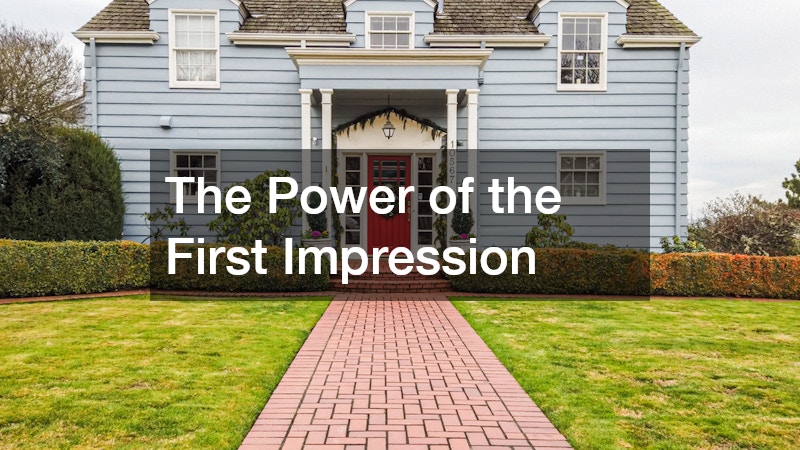
The psychological impact of a home’s exterior cannot be overstated. Real estate data consistently shows that properties with high curb appeal sell for up to 7% more than comparable homes with neglected facades. This is because the exterior serves as a promise for what lies inside; if the outside is pristine, buyers assume the internal systems have been treated with equal care.
Refreshing the Exterior Palette
One of the most cost-effective ways to transform a property is through comprehensive house painting. A fresh coat of paint in a contemporary neutral—think warm “mushroom” tones or sophisticated “charcoal” accents—can modernize an aging structure overnight.
- Select High-Performance Finishes: Use satin or eggshell finishes that resist UV fading and moisture, ensuring the value lasts for a decade or more.
- Don’t Forget the Trim: High-contrast trim can make architectural details pop, giving the home a crisp, professionally designed appearance.
- Focus on Surface Prep: The value of a paint job is only as good as the preparation. Scraping, sanding, and priming ensure the new layer adheres properly and prevents peeling.
Defining Your Boundaries
Beyond the walls of the house, the perimeter of the lot plays a significant role in a buyer’s evaluation. A professional fence installation is often viewed as a “must-have” for the two largest segments of the buying market: young families and pet owners.
- Choose Durable Materials: While wood is classic, vinyl and composite materials offer a “set it and forget it” appeal that modern buyers crave.
- Privacy vs. Aesthetic: In backyards, focus on 6-foot privacy designs to create a “sanctuary” feel. In front yards, lower, decorative styles can define the property line without closing it off.
- Integrate with Landscaping: Soften the look of a new fence with climbing plants or perimeter flower beds to make the structure feel like a natural part of the environment.
Fortifying the Building Envelope
The “envelope” of your home—the roof, windows, and doors—is your first line of defense against the elements. From an appraisal perspective, these are considered “essential” systems. If they are nearing the end of their lifespan, buyers will often deduct the full cost of replacement from their offer price, plus a “hassle premium.”
Managing the Overhead Shield
The state of your roof is often the first thing a home inspector looks at. Neglecting necessary roofing services can lead to catastrophic damage, including attic mold, structural rot, and ruined insulation.
- Proactive Inspections: Have a professional check for curling shingles, cleared gutters, and intact flashing at least once every two years.
- Material Matters: If you are replacing the entire roof, consider architectural shingles or metal roofing. These materials not only last longer but can also lower your homeowner’s insurance premiums.
- Ventilation is Key: Ensure your roof system includes ridge vents and soffit intakes. A “cool” roof that breathes properly can extend the life of the shingles and lower your cooling costs significantly.
Optimizing Thermal Performance
Old, drafty windows are a major red flag for energy-conscious buyers. Investing in a high-quality replacement window for each opening in the home is a proven way to boost value while slashing monthly utility bills.
- Low-E Glass Technology: Look for windows with Low-Emissivity coatings that reflect infrared light, keeping heat inside during the winter and outside during the summer.
- Double or Triple Panes: Gas-filled (Argon or Krypton) gaps between panes provide superior soundproofing and thermal insulation.
- Frame Durability: Vinyl frames are popular for their low maintenance, but fiberglass and wood-clad options offer a premium look that can command a higher resale price in luxury markets.
Modernizing the Interior Infrastructure
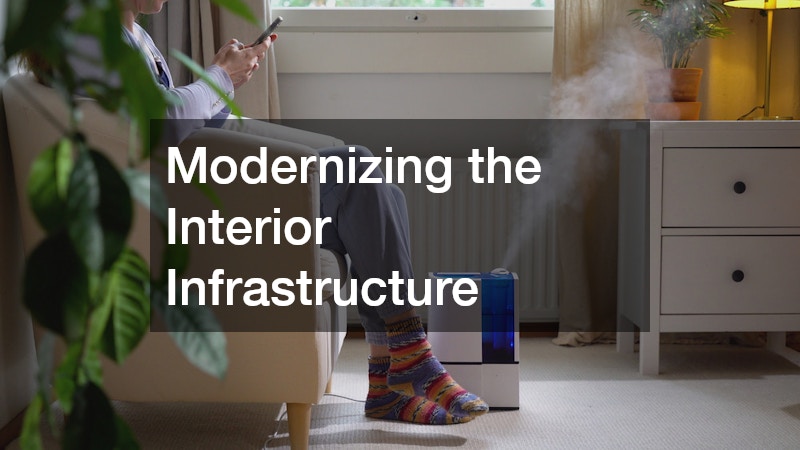
While the exterior gets buyers through the door, the interior systems are what keep them there. Today’s buyers are increasingly tech-savvy and environmentally conscious, looking for homes that are “smart” and efficient.
Climate Control and Air Quality
The comfort of a home is significantly influenced by its mechanical systems, which can be thought of as the home’s ‘heartbeat’. These systems include heating, ventilation, and air conditioning (HVAC), among others, which together create a conducive environment for living. When these systems are outdated, they tend to be noisy and may operate inefficiently, leading to higher energy bills and reduced comfort for the occupants. Such disadvantages can be a substantial deterrent for prospective buyers considering the purchase of a home. However, modern HVAC services have evolved to focus on more than just heating and cooling the air; they now emphasize the enhancement of indoor air quality (IAQ) and offer precise control over the climate within the home.
- Transition to Smart Tech: Installing a smart thermostat allows for zone-based heating and cooling, which can reduce energy consumption by up to 15%.
- Regular Maintenance Cycles: Keeping a documented history of filter changes, coil cleanings, and system tune-ups proves to a buyer that the system is reliable.
- The Heat Pump Revolution: In 2026, electric heat pumps have become a preferred choice for their high efficiency and dual-functionality, often qualifying the homeowner for federal tax credits.
Reliable Flow
Plumbing is perhaps the most overlooked aspect of home value—until something goes wrong. Ensuring your home has modern plumbing services can prevent the “sticker shock” of a bad inspection report.
- Upgrade to PEX or Copper: If your home still has old galvanized pipes, replacing them can improve water pressure and eliminate the risk of lead or rust contamination.
- Tankless Water Heaters: These units provide “endless” hot water and take up significantly less space, a major selling point for smaller homes or large families.
- Leak Detection Systems: High-tech sensors that shut off the main water valve if a leak is detected are inexpensive additions that provide massive peace of mind for buyers.
The High-ROI Rooms: Kitchens and Baths
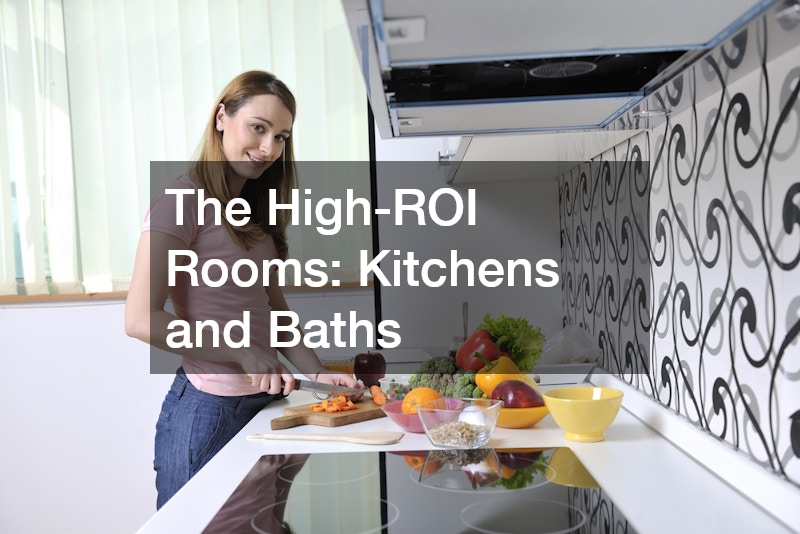
It is a well-known adage in real estate that “kitchens and bathrooms sell houses.” These rooms are the most expensive to renovate, so buyers are willing to pay a premium to find them already updated.
The Culinary Transformation
Undertaking a full-scale kitchen remodeling project is indeed a formidable task. However, the rewards are substantial as the return on investment (ROI) for kitchen renovations consistently ranks among the highest within the home improvement industry. The objective of such a remodel is to fashion a kitchen space that serves not only as a highly functional workspace where culinary tasks can be performed with ease, but also as an inviting social hub where family, friends, and guests can gather comfortably and enjoyably.
- Stone and Quartz Surfaces: Durable, non-porous countertops like quartz are currently the gold standard for both aesthetics and longevity.
- Specialized Storage: Modern kitchens should feature “smart” cabinets with pull-out spice racks, deep pot drawers, and hidden trash recyclers.
- The Power of Lighting: Layered lighting—including under-cabinet LEDs, pendant lights over the island, and recessed cans—makes the kitchen feel larger and more inviting.
Creating a Private Oasis
In contemporary home design, bathrooms have undergone a significant transformation, evolving from mere functional spaces to sanctuaries of relaxation and wellness. This evolution is a testament to the increased importance people place on self-care and personal well-being. A carefully planned and executed bath remodeling project has the potential to transform a standard three-piece bathroom into a luxurious spa-like retreat, providing an oasis of calm in the midst of daily life.
- Walk-In Showers: Swapping a standard tub for a curbless, walk-in shower with a frameless glass enclosure is a top trend for 2026.
- Floating Vanities: These wall-mounted units create a sense of more floor space and offer a clean, modern aesthetic.
- High-End Fixtures: Replacing dated chrome taps with matte black, brushed gold, or polished nickel can instantly elevate the room’s design profile.
Enhancing Access and Utility
The final pieces of the value-add puzzle involve the transition points of the home—the doors and the garage. These elements connect the different zones of the property and contribute significantly to its overall “flow.”
Mastering the Entry Experience
The entrance of your home is instantly recognized through its front door, serving as the central feature of your home’s exterior appearance. Investing in a new door, particularly one crafted from durable materials such as steel or high-quality fiberglass, offers a significant return on investment. This is consistently highlighted as one of the most valuable home improvement projects. Not only does a new door enhance aesthetic appeal, but it also boosts property value and provides long-term benefits.
- Security and Insulation: Modern doors feature multi-point locking systems and foam-filled cores that offer much better protection and energy retention than old wooden models.
- Glass Inserts: Decorative glass can bring natural light into a dark entryway without sacrificing privacy.
- The Back Door Matters Too: Upgrading a standard back door to a large sliding glass or “bifold” door can create a seamless connection to your deck or patio, effectively increasing the “usable” square footage of the home.
Elevating the Garage and Storage
The garage is no longer reserved solely for parking vehicles; it has evolved into a multi-functional space that can serve as a workshop, a gym, and a crucial storage hub for the home. This transformation reflects the changing needs and lifestyles of modern homeowners. The first impression made by your property begins with what a buyer sees when they pull into the driveway. The garage exterior plays a pivotal role in forming this initial perception. A well-maintained and strategically designed garage exterior can enhance the property’s overall appeal and set a positive tone for the rest of the home tour.
- Insulated Garage Doors: A professional garage door installation that includes insulation can keep the space 10-20 degrees warmer in the winter, which is essential if the garage shares a wall with living space.
- Modern Aesthetics: Carriage-house styles or modern frosted-glass panels can dramatically update the look of a traditional home.
- Vertical Organization: While the door provides the curb appeal, installing slat-wall systems or overhead racks inside the garage demonstrates to buyers that every inch of the property is maximized.
The Strategic Implementation Plan

Knowing what to fix is only half the battle; knowing when and how is what saves your budget. To maximize property value, renovations should be approached in a logical sequence that protects your investment.
Phase 1: Structural Integrity (The “Must-Haves”)
Before you buy a single marble tile, ensure the house is dry and stable.
- Address any issues with the roof or foundation.
- Update the HVAC and plumbing if they are nearing the end of their lifecycle.
- Ensure the electrical panel can handle modern appliance loads.
Phase 2: The Building Envelope (The “Efficiency Boosters”)
Once the house is stable, make it efficient.
- Replace old windows and doors to seal the home.
- Update the exterior paint and fencing to establish the home’s presence.
- Check attic insulation levels to complement the new windows and HVAC.
Phase 3: Lifestyle Upgrades (The “Value Adders”)
Now that the home is sound and efficient, focus on the aesthetics that drive high offers.
- Execute the kitchen and bathroom renovations.
- Update flooring throughout the home to a consistent material.
- Install modern lighting and smart home features.
Building property value is a marathon, not a sprint. The most successful homeowners are those who treat their property as a living asset, performing regular maintenance and making incremental upgrades over time. By focusing on the high-impact areas outlined in this guide—from the shingles on the roof to the vanity in the bathroom—you ensure that your home remains competitive, efficient, and highly desirable.
When you invest in quality materials and professional installation, you aren’t just spending money; you are storing it in the walls of your home. Whether you plan to sell next month or in ten years, these improvements provide a dual return: a better quality of life while you stay, and a significantly higher check when you eventually walk away from the closing table.