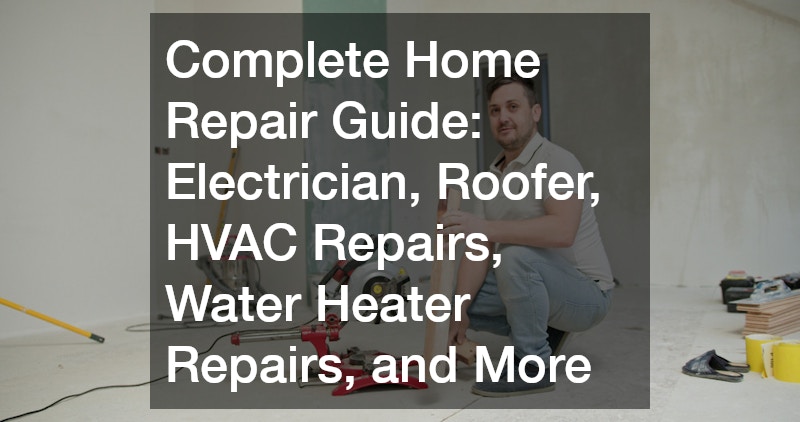
Introduction: Building a Smarter Approach to Home Repair and Maintenance
A home is one of the most significant investments a person can make, and maintaining it properly requires more than occasional repairs. Every system in a home—structural, mechanical, and aesthetic—works together to create a safe and comfortable environment. When one component begins to fail, it often places additional strain on others, leading to larger and more costly issues over time.
Many homeowners only address problems when they become unavoidable, but this reactive approach can quickly become expensive and disruptive. A more effective strategy is to adopt a proactive mindset, identifying potential issues early and implementing preventative solutions. This not only reduces the likelihood of emergencies but also helps maintain consistent performance across all systems.
This guide explores the most important areas of home repair and maintenance, offering practical insights and actionable tips. By understanding how each part of your home functions and how to care for it properly, you can make informed decisions that protect your investment and improve your quality of life.
Start with a Full Home Assessment Before Making Repairs
Before tackling any repairs, a comprehensive assessment of your home is essential. This step helps you identify both visible and hidden issues, prioritize tasks, and develop a clear plan of action.
Begin with a walkthrough of the property, paying close attention to:
- Walls, ceilings, and floors for cracks or discoloration
- Exterior surfaces for wear, damage, or moisture intrusion
- Mechanical systems such as heating, cooling, and plumbing
- Areas prone to hidden issues, including basements and attics
Next, categorize your findings:
- Immediate repairs that affect safety or prevent further damage
- Short-term fixes that improve functionality
- Long-term upgrades that enhance efficiency and value
Creating a detailed checklist allows you to organize projects effectively and avoid overlooking critical issues. It also helps when consulting professionals, as you can clearly communicate concerns and expectations.
Protect Your Home from Structural Damage at the Top Level
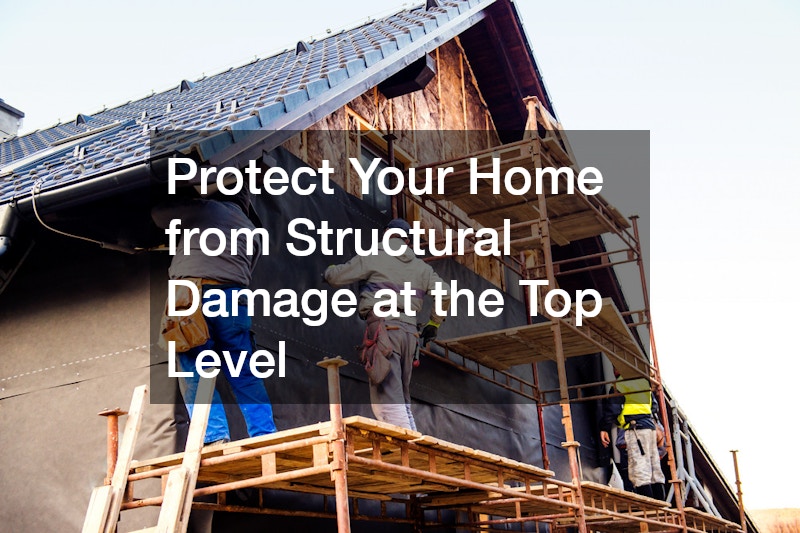
The roof is your home’s first line of defense against environmental elements. Even minor issues can lead to significant structural damage if left untreated. Working with a qualified roofer ensures that your roof remains durable and effective over time.
Common warning signs include:
- Missing, cracked, or curling shingles
- Water stains on ceilings or attic surfaces
- Moss or algae growth
- Sagging areas or uneven surfaces
Preventative maintenance is key to avoiding costly repairs. Homeowners should:
- Inspect the roof regularly, especially after storms
- Keep gutters clean to prevent water buildup
- Address small leaks immediately
- Ensure proper ventilation in the attic
Timely repairs not only protect the structure of your home but also improve energy efficiency by maintaining proper insulation.
Ensure Safe and Reliable Electrical System Performance
Electrical systems power nearly every aspect of modern living, making their reliability and safety essential. Issues such as outdated wiring, overloaded circuits, and faulty outlets can pose serious risks.
Signs of electrical problems include:
- Flickering or dimming lights
- Frequent circuit breaker trips
- Burning smells near outlets
- Warm or discolored switches
To maintain safety and efficiency:
- Schedule regular inspections with a professional electrician
- Upgrade outdated panels and wiring
- Avoid overloading outlets with multiple devices
- Install surge protection for sensitive electronics
Proper electrical maintenance reduces the risk of fire and ensures that your home can handle current and future energy demands.
Maintain Efficient Heating and Cooling System Performance
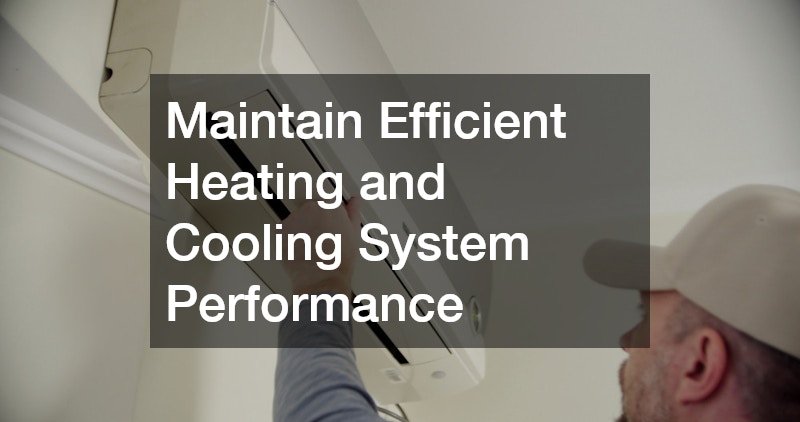
Heating and cooling systems are essential for maintaining a comfortable indoor environment. Over time, wear and tear can reduce efficiency and lead to system failures.
Common issues include:
- Inconsistent temperatures between rooms
- Reduced airflow
- Unusual noises during operation
- Increased energy bills
Preventative care includes:
- Replacing air filters regularly
- Scheduling seasonal inspections
- Cleaning vents and ductwork
- Monitoring system performance
Timely HVAC repairs help maintain efficiency, extend system lifespan, and reduce energy costs.
Prevent Water Damage with Proper Plumbing and Drain Care
Plumbing systems play a vital role in maintaining a healthy home environment. Problems within sewer lines can lead to serious issues if not detected early.
Warning signs include:
- Slow or frequently clogged drains
- Unpleasant odors
- Water backing up into sinks or tubs
- Lush patches of grass indicating leaks
Regular sewer line inspection helps identify blockages, cracks, and other issues before they escalate. Modern techniques, such as camera inspections, provide accurate diagnostics without invasive procedures.
Preventative maintenance ensures that wastewater flows properly and reduces the risk of costly repairs.
Ensure Consistent Hot Water and System Longevity
Hot water is essential for daily activities, making the performance of water heaters critical. Over time, sediment buildup and component wear can affect efficiency.
Common problems include:
- Inconsistent water temperature
- Strange noises from the tank
- Reduced hot water supply
- Leaks around the unit
Maintenance tips:
- Flush the tank annually
- Inspect valves and connections
- Adjust temperature settings
- Address minor issues promptly
Timely water heater repairs ensure reliable performance and extend the life of the system.
Strengthen Structural Integrity from the Ground Up
The foundation supports the entire structure of your home, making its stability essential. Issues such as cracks, settling, and moisture intrusion can compromise structural integrity. Left unaddressed, these problems can worsen over time, leading to more extensive repairs and even impacting other parts of the home such as walls, flooring, and roofing systems.
Warning signs include:
- Cracks in walls or floors
- Doors and windows that stick or misalign
- Uneven flooring
- Water intrusion in basements
Preventative measures:
- Maintain proper drainage around the property
- Monitor soil conditions
- Address minor cracks early
In addition to these steps, homeowners should pay attention to how water flows around the home during heavy rain. Improper grading or clogged gutters can cause water to pool near the foundation, increasing the risk of erosion and structural damage. Installing downspout extensions and ensuring proper slope away from the home can significantly reduce these risks.
It’s also important to understand that soil movement plays a major role in foundation stability. Expansive soils can swell when wet and shrink when dry, causing shifting that leads to cracks. Consistent moisture levels around the foundation help minimize these fluctuations. In some cases, installing a drainage system or moisture barrier may be necessary to maintain stability.
Professional inspections can identify underlying issues that may not be visible on the surface. Experts can determine whether cracks are cosmetic or structural and recommend appropriate solutions such as sealing, underpinning, or reinforcement. Taking action early not only prevents further damage but also preserves the long-term value of the property.
Professional foundation repair solutions ensure long-term stability and prevent further damage.
Improve Home Access and Exterior Functionality
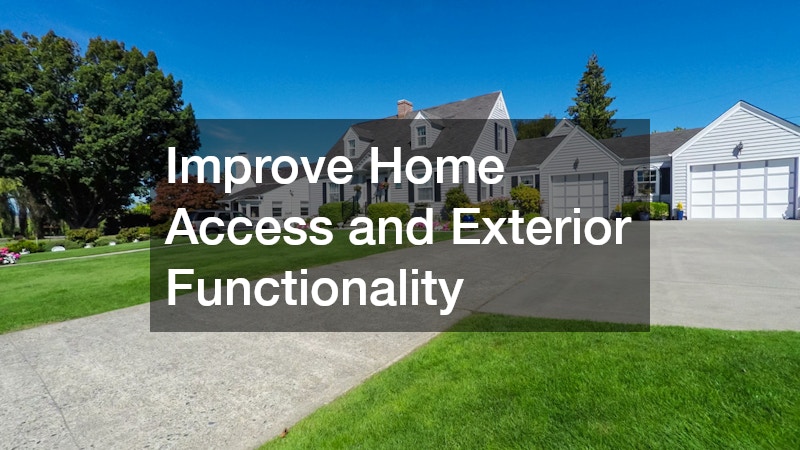
Driveways, walkways, and patios contribute to both functionality and curb appeal. Poorly maintained surfaces can create safety hazards and drainage problems. Cracks, uneven areas, and pooling water not only reduce visual appeal but can also lead to accidents or further structural issues.
Working with a paving contractor ensures that surfaces are properly designed and installed.
Key considerations:
- Selecting durable materials
- Ensuring proper grading for drainage
- Sealing surfaces to prevent damage
- Performing regular maintenance
Beyond these basics, homeowners should consider how different hardscaping elements connect and flow throughout the property. A well-designed layout improves accessibility and creates a more cohesive appearance. For example, walkways should provide clear, safe paths between entrances, driveways, and outdoor living areas.
Drainage is another critical factor. Without proper water management, paved surfaces can deteriorate quickly due to freeze-thaw cycles or erosion. Incorporating features such as permeable pavers or strategically placed drains can help manage water runoff effectively.
Routine maintenance plays a key role in extending the lifespan of these surfaces. This includes sealing cracks, cleaning debris, and addressing minor damage before it spreads. Regular upkeep not only preserves the appearance of hardscaping but also ensures it remains safe and functional for daily use.
Well-maintained hardscaping enhances accessibility and adds value to your property.
Upgrade Windows for Efficiency and Protection
Windows play a significant role in insulation, security, and aesthetics. Damaged or outdated windows can lead to energy loss and discomfort. Over time, even small issues such as worn seals or minor cracks can reduce efficiency and allow outside air to enter the home.
Signs that replacement may be needed:
- Drafts or air leaks
- Condensation between panes
- Cracked or broken glass
- Difficulty opening or closing
Benefits of window glass replacement include:
- Improved energy efficiency
- Enhanced indoor comfort
- Reduced noise
- Increased property value
In addition to these benefits, modern window technologies offer improved UV protection, which helps prevent fading of furniture and flooring. Energy-efficient glass options can also reduce heating and cooling costs by maintaining more consistent indoor temperatures throughout the year.
Proper installation is just as important as the quality of the materials. Poorly installed windows can lead to gaps, leaks, and long-term damage. Ensuring that frames are properly sealed and aligned helps maximize performance and durability.
Homeowners should also consider frame materials and design when upgrading windows. Options such as vinyl, wood, or aluminum each offer different advantages in terms of maintenance, insulation, and appearance. Selecting the right combination ensures that the windows complement both the style and functional needs of the home.
Proper installation ensures long-lasting performance.
Maintain Clean and Safe Water for Daily Use
Hard water can cause mineral buildup, affecting both appliances and plumbing systems. Installing a water softener improves water quality and extends the lifespan of equipment. Over time, untreated hard water can lead to clogged pipes, reduced efficiency, and increased maintenance costs.
Signs of hard water include:
- Scale buildup on fixtures
- Dry skin and hair
- Reduced efficiency of appliances
- Soap residue on surfaces
Maintenance tips:
- Regularly check salt levels
- Clean the system as recommended
- Monitor water quality
In addition to these steps, homeowners should periodically inspect plumbing fixtures and appliances for signs of mineral accumulation. Early detection allows for simple cleaning or adjustments before more serious issues develop. Using the right type of salt and maintaining proper settings also ensures the system operates efficiently.
Water quality testing can provide valuable insight into mineral levels and help determine whether adjustments are needed. This is especially important in areas where water conditions may change over time. A properly calibrated system ensures consistent performance and optimal results.
Maintaining a water softener not only improves water quality but also enhances the effectiveness of soaps and detergents, reducing waste and improving cleaning results. It also helps extend the lifespan of water heaters, dishwashers, and washing machines by preventing scale buildup.
A properly maintained system ensures consistent water quality throughout the home.
Keep Entry Systems Secure and Functional
Garage doors are essential for both security and convenience. Malfunctions can compromise safety and disrupt daily routines. Because garage doors are used frequently, their components are subject to wear and tear over time.
Common issues include:
- Difficulty opening or closing
- Unusual noises
- Worn or broken components
- Misaligned tracks
Routine maintenance includes:
- Lubricating moving parts
- Inspecting springs and cables
- Testing safety features
- Scheduling professional inspections
In addition to these maintenance steps, homeowners should regularly check the balance of the door. An unbalanced door places extra strain on the opener and can lead to premature failure. Testing the auto-reverse feature is also critical to ensure safety, particularly for households with children or pets.
Weather sealing around the garage door is another important factor. Proper seals help keep out moisture, debris, and pests while also improving energy efficiency by reducing drafts.
Investing in timely repairs and upgrades can improve both functionality and security. Modern systems often include advanced features such as smart controls and enhanced locking mechanisms, providing added convenience and peace of mind.
Reliable garage door services ensure safe and efficient operation.
Conclusion: Creating a Safe, Efficient, and Long-Lasting Home
Maintaining a home requires a thoughtful and consistent approach that goes beyond addressing problems as they arise. By understanding how different systems interact and prioritizing regular care, homeowners can prevent costly repairs and ensure a more comfortable living environment.
Each component of the home, from structural elements to mechanical systems, contributes to overall performance. When these elements are properly maintained and upgraded as needed, they work together to support efficiency, safety, and long-term durability.
Planning ahead and investing in preventative maintenance allows homeowners to stay in control of both costs and outcomes. It also reduces the likelihood of unexpected disruptions that can impact daily life.
Ultimately, a well-maintained home provides peace of mind and lasting value. By committing to regular inspections, timely repairs, and strategic improvements, homeowners can create a space that remains reliable, efficient, and comfortable for years to come.