
Making strategic updates to a residential property is one of the most effective ways to build personal equity, lower long-term maintenance costs, and enhance everyday comfort. However, not all home projects yield equal value. While lavish interior overhauls can sometimes fail to recoup their original expense, high-impact exterior upgrades and smart functional modernizations consistently pay dividends. Understanding where to focus time and capital ensures every modification provides maximum functional benefit and financial returns.
Investing wisely requires a dual approach: preserving structural integrity to protect against future damage, while simultaneously elevating visual appeal. Whether planning to sell within a few seasons or aiming to settle into a space for decades, selecting high-ROI renovations requires thoughtful planning and professional craftsmanship. By prioritizing the structural envelope, outdoor living areas, and core driveways or walkways, property owners can optimize their equity growth while enjoying a safer, more attractive living environment.
-
High-impact updates strengthen weather defense, lowering annual repair bills and protecting interior investments.
-
Curb appeal upgrades create an immediate positive impression, directly raising comparative market values across the neighborhood.
-
Modern materials and efficient building systems combine to slash monthly power consumption and improve indoor environmental comfort.
Securing the Building Envelope
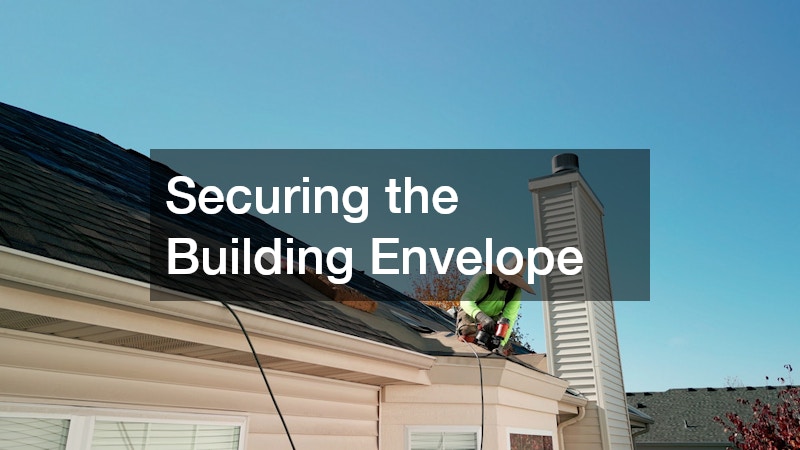
Investing in Superior Overhead Protection
A structural roof serves as the single most critical line of defense against seasonal elements, moisture, and structural damage. When signs of wear or water intrusion begin to manifest, scheduling an inspection with a local roofing company ensures that small leaks do not evolve into costly timber rot or drywall deterioration. High-grade architectural shingles and modern metal systems offer exceptional energy performance alongside impressive longevity.
-
Schedule professional inspections twice annually to identify loose shingles, degraded flashing, or compromised seals.
-
Select architectural shingles rated for high winds to secure long-term protection and lower annual property insurance premiums.
-
Pair overhead repairs with upgraded attic insulation to create an airtight seal that cuts monthly energy bills dramatically.
Attic spaces and overhead structural elements work continuously to regulate thermal transfer and moisture balance across the home. When a roof begins to fail, the resulting interior humidity can encourage mold growth, ruin drywall finish, and compromise structural wooden joists. Proactively replacing old materials with modern reflective options helps stabilize internal temperatures year-round while keeping utility bills manageable during peak weather seasons.
-
Reflective roofing granules bounce harmful solar rays away from the structure, significantly reducing cooling loads in summer.
-
Heavy-gauge drip edges redirect rainwater runoff cleanly into gutters, protecting wood fascia boards from premature rot.
-
Upgraded attic ventilation minimizes moisture collection in roof spaces, preventing timber decay and insulation breakdown.
Maximizing Water Shedding and Structural Integrity
Upgrading protective materials under the care of a residential roofing contractor guarantees that all installation steps adhere strictly to modern building codes. Proper ventilation systems and heavy-duty underlayments prevent destructive ice dams in cold weather and diminish heat buildup during hot summers. Over time, these measures preserve indoor comfort while significantly extending the overall lifespan of the entire roofing assembly.
-
Ensure attic ridge vents work in harmony with soffit intakes to maintain balanced air movement across all seasons.
-
Select high-performance synthetic underlayments instead of standard felt for superior resistance against moisture penetration.
-
Replace damaged structural decking immediately before laying new materials to prevent future sagging or catastrophic leaks.
Integrated drainage systems, including oversized gutters and hidden downspout extensions, work hand in hand with fresh roofing components. Directing rainwater at least five to ten feet away from the perimeter prevents foundation soil saturation, basements flooding, and concrete settling. Making these minor structural adjustments alongside overhead repairs shields the entire house foundation from hydraulic pressure.
-
Seamless aluminum gutter installations eliminate leaky joints and resist rust formation over decades of heavy rain exposure.
-
Downspout splash blocks and underground pipe extensions move high-volume water flows safely past foundation soils.
-
Leaf guards keep falling debris out of gutters, ensuring uninterrupted water drainage without requiring risky manual cleanouts.
Enhancing Property Boundaries and Privacy

Establishing Secure Perimeter Frameworks
Installing physical boundary markers around a yard defines property limits while offering essential privacy and protection for family members and pets. Contracting an experienced fence contractor allows homeowners to select materials that blend effortlessly with existing neighborhood aesthetics while resisting rot, rust, and insect damage. Custom wood, vinyl, and powder-coated metal designs provide security while boosting overall market valuation.
-
Choose durable, weather-resistant materials like vinyl or treated cedar to limit long-term staining and maintenance needs.
-
Verify precise property boundary lines with a land surveyor before setting post holes to prevent boundary disputes with neighbors.
-
Ensure all support posts are set in deep, well-mixed concrete footings to keep the structure standing straight through strong wind storms.
Perimeter additions also serve as acoustic barriers, dampening local traffic noise and creating a quiet, retreat-like environment in suburban settings. Beyond sound reduction, secure perimeter lines discourage unauthorized entry and deter stray animals from wandering into landscaping beds. Tailoring height, material density, and style to match the home’s architecture guarantees a seamless blend of security and visual polish.
-
Solid tongue-and-groove privacy panels block neighborhood noise and shield outdoor recreation areas from street view.
-
Decorative post caps topped with solar powered lights add subtle ambient illumination along property edges at night.
-
Galvanized or stainless steel fasteners resist rust streaks, preserving the pristine visual finish of wooden pickets.
Executing Precision Structural Installations
Entrusting boundary builds to skilled technicians guarantees that every post, rail, and latch is aligned and level across uneven terrain. Modern fence installation methods focus on proper elevation adjustments above soil levels to prevent premature rotting near ground contact points. These durable structural lines clean up property contours, transforming raw yards into usable, distinct living areas.
-
Elevate bottom pickets two inches off ground level to stop moisture absorption from soil and lawn maintenance equipment.
-
Treat natural timber with UV-blocking sealants right after construction to prevent graying, checking, and dimensional twisting.
-
Integrate secure, self-closing gate hardware to maintain child and pet safety without sacrificing everyday access convenience.
Proper soil preparation and footing techniques form the foundation of any long-lasting exterior boundary structure. Digging post holes below the local frost line prevents frost heave from pushing structural supports out of alignment during winter freeze-thaw cycles. Filling these footings with gravel bases before pouring concrete ensures proper drainage and prevents ground moisture from rotting structural wooden bases.
-
Digging post holes below frost lines prevents soil movement from shifting or tilting vertical boundary posts in winter.
-
Adding a crushed gravel drainage base under concrete footings helps water drain away from the bottom of wood posts.
-
Stainless steel hardware brackets keep cross-rails locked firmly into place without rusting or sagging over time.
Upgrading Exterior Living Spaces
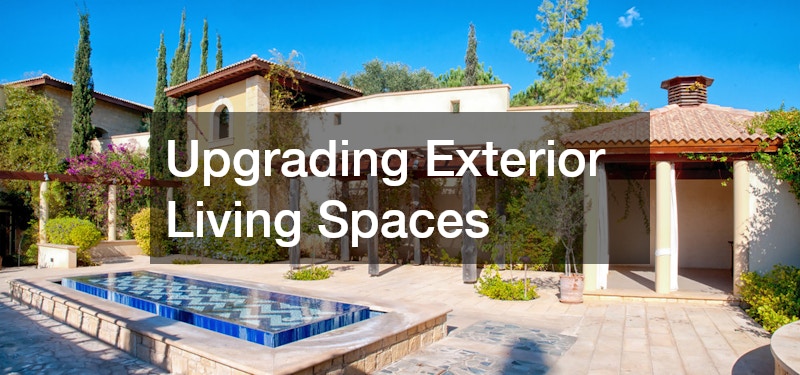
Creating All-Weather Backyard Retreats
Outdoor living areas have evolved from optional additions into central entertainment hubs that buyers actively seek. Integrating an adjustable louvered pergola over a back deck or stone patio creates a versatile, climate-controlled space suitable for year-round relaxation. With motorized, tilting overhead slats, homeowners can easily open the roof to enjoy bright morning sunlight or shut it tightly to block sudden rain showers.
-
Choose durable, powder-coated aluminum framing over wood to eliminate warping, rotting, and frequent repainting demands.
-
Integrate subtle rain channels into the supporting beams to direct water safely away from outdoor living furniture.
-
Install integrated LED strip lights along internal frame channels to create cozy ambient illumination for evening gatherings.
Modern outdoor living structures offer seamless options for incorporating built-in heating elements, ceiling fans, and retractable side screens. These modifications convert standard patios into functional four-season rooms that expand the usable square footage of the residence. Creating comfortable outdoor gathering zones offers a fantastic return on investment by appealing to buyers who value outdoor leisure and entertaining.
-
Infrared overhead heaters generate efficient radiant warmth, keeping outdoor patio zones comfortable on chilly winter nights.
-
Motorized side shades provide instant privacy, block harsh afternoon sun glare, and shield patio guests from light breezes.
-
Built-in ceiling fans move warm air effectively, creating a refreshing breeze during hot summer afternoon gatherings.
Revitalizing Siding and Exterior Trim
A fresh coat of premium exterior paint provides far more than visual appeal; it forms a resilient shield against wind, moisture, and damaging ultraviolet rays. Working with professional exterior painting contractors ensures that surfaces are thoroughly washed, sanded, and primed before any topcoat is applied. Professional application prevents peeling and fading, keeping your home looking pristine for years.
-
Clean all exterior surfaces with high-pressure washing systems to remove dirt, mildew, and flaking paint before applying fresh product.
-
Apply high-grade acrylic latex formulas designed specifically to expand and contract smoothly across changing outdoor temperatures.
-
Mask all window trims, soffits, and architectural accents cleanly to establish crisp visual borders across exterior facades.
Thorough surface preparation is essential for creating long-lasting exterior paint bonds that won’t bubble or flake over time. Technicians meticulously scrape loose paint, fill surface cracks with exterior-grade caulk, and apply specialized primers to block stains and moisture. Taking time to repair damaged wood or siding boards before painting keeps moisture out and preserves structural integrity.
-
High-quality elastomeric caulking seals gaps around window and door frames, stopping air leaks and water entry.
-
Specialty stain-blocking primers cover wood knots and water marks, ensuring a smooth finish across exterior walls.
-
Sanding rough wood fibers creates a smooth surface profile that lets topcoat paints bond cleanly and evenly.
Modernizing Surfaces and Driveway Access

Designing Durable Concrete and Stone Walkways
First impressions begin at the curb, making walkways and driveways vital candidates for smart home updates. Experienced paving contractors understand how to establish proper drainage slopes and stable base layers that withstand heavy vehicle loads without cracking. Smooth, well-installed pathways establish an inviting entry sequence that enhances overall neighborhood aesthetics.
-
Excavate ground beds to appropriate depths and compact crushed stone sub-bases thoroughly before pouring any surface materials.
-
Form proper surface slopes away from foundational walls to keep heavy rainwater runoff moving safely toward drainage swales.
-
Seal paved surfaces periodically with protective clear coatings to shield against motor oil stains and chemical ice melters.
Integrating contrasting stone borders or decorative paver accents along driveway edges creates a custom, high-end appearance. Beyond aesthetics, proper edge restraints keep paved materials locked in place, stopping lateral shifting and crumbling edges under heavy car traffic. Investing in durable, beautiful entry pathways instantly elevates curb appeal while preventing costly long-term repairs.
-
Heavy-duty edge restraints lock pavers firmly into position, preventing lateral movement under vehicle weight.
-
Contrasting paver borders create clean, defined edges along driveways, gardens, and entry walkways.
-
Permeable paver designs allow rainwater to filter back into the soil, reducing runoff onto city streets.
Restoring Worn Asphalt Surfaces
Asphalt driveways offer flexible, cost-effective performance, but they require periodic professional maintenance to prevent crumbling edges and dangerous potholes. Engaging a certified blacktop driveway contractor enables property owners to repair underlying base issues, fill structural cracks, and apply fresh asphalt overlays. This process delivers a sleek, jet-black finish that significantly enhances curb appeal.
-
Fill deep cracks with hot-pour rubberized sealant before applying new surface asphalt layers to prevent reflective cracking.
-
Compact hot-mix asphalt layers using heavy rollers to create a smooth, tight density capable of handling vehicle loads.
-
Apply protective fuel-resistant sealer to fresh asphalt after an initial curing period to guard against UV breakdown and liquid leaks.
Routine sealcoating acts as a protective barrier against damaging sunlight, automotive fluids, and water intrusion that break down asphalt binders over time. Keeping water out of small surface cracks stops frost expansion from creating large potholes during freezing winter cycles. Consistent maintenance extends driveway life by decades, saving property owners from expensive total teardowns.
-
Coal-tar or asphalt-emulsion sealers form a dark barrier that shields asphalt binders from solar oxidation and fluid leaks.
-
Filling surface micro-cracks early keeps water from penetrating the gravel base and causing sub-grade sinkholes.
-
Textured additive mixes applied with sealcoats increase surface traction, keeping driveways safe during rain and snow.
Renewing Aging Concrete Surfaces
Replacing a whole concrete driveway can be expensive and labor-intensive, but resurfacing offers a fast, budget-friendly alternative for sound slabs. Professional concrete driveway resurfacing services apply polymer-modified cement overlays that bond directly to existing slabs, repairing spalls, discoloration, and fine surface cracks. The result is a smooth, modernized surface that looks brand new at a fraction of full replacement costs.
-
Grind down loose debris, oil deposits, and high edges on existing slabs to ensure strong bonding for fresh polymer coatings.
-
Cut control joints through the newly resurfaced overlay to guide future thermal expansion without cracking the new finish.
-
Apply anti-slip broom finishes or decorative stamped textures during application to increase traction during rain and freezing weather.
Decorative concrete finishes, such as stamped patterns or integral color stains, turn plain driveways into standout architectural features. Stamping overlays can mimic natural slate, flagstone, or brick at a fraction of true stone installation costs. These durable decorative treatments resist vehicle traffic wear while providing custom curb appeal that sets a home apart.
-
Stamped concrete patterns deliver the luxurious look of natural stone or cobblestone at a fraction of real stone costs.
-
Penetrating color stains sink deep into concrete overlays, creating rich, fade-resistant tones that won’t chip away.
-
Clear protective sealers shield decorative stamped patterns from harsh UV rays, snow shovel scratches, and road salt damage.
Illumination and Architectural Accentuation
Designing Outdoor Architectural Lighting
A well-designed landscape lighting layout highlights architectural details, illuminates pathways, and adds security to dark entry points. Partnering with an expert landscape lighting company guarantees that low-voltage LED fixtures are strategically placed to accentuate mature trees, stone walls, and garden walkways. Modern systems also offer smart timers and dimming features to minimize ongoing energy usage.
-
Use low-voltage LED fixtures to maximize energy efficiency while producing warm, inviting light outputs across outdoor spaces.
-
Position path lights staggered along walkways to prevent harsh glaring lines while illuminating foot hazards safely.
-
Angle subtle ground spotlights upward into tree canopies and stone facades to highlight depth and spatial dimension.
Smart lighting controllers let property owners program custom schedules, dim lights remotely, or sync fixtures with sunset times from mobile devices. Integrating motion-sensing floodlights near side alleys and garage entries deters intruders while illuminating dark pathways for late arrivals. Thoughtful lighting layouts combine beauty and safety, enhancing your home’s nighttime appearance and overall security.
-
Smart transformers allow custom lighting schedules, zone control, and automatic seasonal adjustments via mobile apps.
-
Motion-activated security lights illuminate dark blind spots around garages and side gates without wasting energy all night.
-
Brass and copper light fixtures resist corrosion from ground moisture, aging into an attractive natural patina over time.
Selecting High-Impact Architectural Features
Focusing upgrades on high-ROI architectural details maximizes both curb appeal and functional performance. Modernizing worn garage doors, replacing outdated front entryways, and installing energy-efficient windows yield strong financial returns while instantly refreshing a home’s appearance. Choosing classic, neutral designs ensures broad appeal to future buyers without sacrificing personal style.
-
Replace outdated garage doors with insulated, high-R-value models to enhance energy retention and dampen street noise.
-
Upgrade older entry doors to solid fiberglass or steel options featuring decorative glass inserts for added safety and light.
-
Install double-pane energy-efficient windows with low-emissivity glass to keep interior spaces comfortable while lowering utility bills.
Upgrading garage doors yields one of the highest returns on investment among all residential renovation projects. Modern insulated doors reduce thermal loss in attached garages, keeping adjacent interior living spaces warmer in winter and cooler in summer. Furthermore, choosing carriage-style or contemporary glass-panel garage doors introduces an eye-catching focal point that dramatically transforms front elevations.
-
Steel carriage-house garage doors provide timeless visual charm while delivering modern structural insulation benefits.
-
High-performance window glass coatings block damaging UV rays, protecting indoor furniture and flooring from fading over time.
-
Multi-point locking systems on modern front doors enhance home security while keeping weatherstripping tight against air leaks.
Strategic home improvements deliver immediate everyday comfort while building substantial long-term wealth. By prioritizing critical exterior structures, durable access pathways, and functional outdoor spaces, homeowners protect their investment against wear while maximizing market appeal. Taking a calculated approach to property upgrades ensures every dollar spent enhances safety, beauty, and long-term financial value.