
Highlights:
- Timing is critical: Analyze market trends, carrying costs, and renovation readiness to determine the best moment to sell.
- Preparation matters: Clean, declutter, and depersonalize to make the property appealing and highlight its full potential.
- Renovation strategy: Focus on improvements that provide high returns and hire professionals for complex projects to protect quality and timelines.
- Pricing wisely: Use comparable sales and professional input to set a competitive price that maximizes profit and attracts serious buyers.
- Staging sells: Thoughtful interior and exterior staging helps buyers visualize the property and can lead to faster sales and higher offers.
- Effective marketing: High-quality photos, virtual tours, online listings, and coordinated open houses increase visibility and buyer interest.
- Learn and improve: Track ROI, evaluate contractors, and refine strategies after each flip to enhance future project outcomes.
Selling a house is more than just putting a sign in the yard and waiting for offers. For house flippers, the process requires strategy, timing, and a clear understanding of what buyers want. Whether you’re an experienced flipper or just starting out, knowing the steps to selling a house efficiently can make the difference between a profitable flip and a project that barely breaks even. This guide walks you through every stage of the selling process, offering actionable tips and insights tailored to investors and aspiring flippers.
Who is this guide for? Primarily, anyone looking to buy, renovate, and sell homes for profit. Even if you’re just flipping a single property or managing multiple projects, these steps will help you streamline your process, avoid common mistakes, and maximize your return on investment.
How Do You Know When It’s Time to Sell?

Before jumping into repairs, staging, or listing your property, it’s critical to evaluate whether now is truly the right time to sell. For house flippers, timing can make or break your profits. Even with perfectly executed renovations, selling in a weak market or holding onto a property for too long can eat into your return on investment.
Consider these factors in detail:
- Market conditions: Examine recent home sales in your area, track price trends, and check inventory levels. A low supply and high demand environment favors sellers, allowing you to command higher prices. Pay attention to seasonal trends as well; spring and summer often see more active buyers than winter months.
- Carrying costs: Each month that a property sits unsold incurs costs—mortgage payments, property taxes, insurance, utilities, and any ongoing maintenance. Calculate these carefully to determine whether holding the property longer will diminish your net profit.
- Completion of renovations: Ensure your renovations are fully completed before listing. Incomplete projects can make buyers hesitant and reduce the perceived value of your property. Even minor unfinished details, like paint touch-ups or missing fixtures, can signal a lack of care and discourage offers.
By taking these factors into account, you can make a strategic decision that balances market conditions, costs, and readiness, ultimately helping you sell at the right time for the best possible profit.
What Are the First Steps in Preparing a Home for Sale?
The preparation stage sets the tone for your entire selling process. First impressions matter enormously to buyers, and for flippers, presenting a well-maintained, visually appealing property can significantly accelerate offers and increase your bottom line.
Clean, Declutter, and Depersonalize
- Remove personal items such as family photos, memorabilia, and unique décor that might distract buyers. The goal is to create a neutral canvas that allows them to envision their own life in the space.
- Declutter rooms strategically: remove excess furniture to showcase square footage, organize closets, and ensure surfaces like counters and shelves are tidy.
- Deep clean all areas, focusing on high-traffic zones, kitchens, and bathrooms. Consider hiring professional cleaners if necessary; spotless spaces give the impression of care and quality.
Identify Quick Wins
Not every improvement requires a major renovation. Target small home improvements with big impact, such as updating light fixtures, swapping out outdated cabinet hardware, refinishing floors, or applying a fresh coat of paint. These relatively inexpensive upgrades can dramatically enhance the overall appeal and perceived value of the home. Other simple wins include:
- Repairing minor cosmetic issues (cracks in walls, loose handles, worn baseboards)
- Upgrading window treatments or blinds
- Installing energy-efficient fixtures or modern appliances where cost-effective
Focusing on these strategic improvements ensures you maximize buyer interest without overspending your renovation budget.
How Do You Handle Larger Renovations?
Sometimes, cosmetic updates aren’t enough to attract competitive offers or meet market expectations. Larger renovations, like full kitchen remodels, bathroom overhauls, or structural improvements, may be necessary. However, these projects require careful planning to avoid eating into your profit margins.
- Plan carefully: Identify renovations that deliver the highest return on investment. Research what buyers in your target market are looking for, and focus on features that will increase sale price. For example, an upgraded master bathroom or an open-concept kitchen often yields strong ROI.
- Budget wisely: Set a realistic budget and prioritize projects that improve functionality and aesthetics. Avoid unnecessary luxury upgrades unless they are typical in your local market.
- Hire professionals when needed: Complex projects such as roof repairs, plumbing updates, or electrical work require licensed contractors. Attempting these yourself can lead to mistakes, delays, and potential safety issues.
For flippers managing multiple projects, developing strong real estate contractor partnerships is essential. Trusted contractors ensure work is completed efficiently, on schedule, and up to standard, reducing risks and increasing the overall value of your flip.
How Should You Price Your Property?
Pricing correctly is one of the most important steps to selling a house. Setting the right price attracts serious buyers quickly while maximizing your profit. Overpricing can lead to your property lingering on the market, while underpricing could mean leaving money on the table.
- Analyze comparable sales: Review recently sold homes in your neighborhood with similar size, features, and condition. Pay attention to market trends, including how long comparable homes stayed on the market.
- Factor in upgrades: Your renovations, whether small or major, should influence your pricing. Buyers recognize well-executed upgrades and are often willing to pay more for move-in-ready properties.
- Consult professionals: Real estate agents, appraisers, and even experienced flippers can provide insights into local pricing dynamics, helping you avoid common mistakes.
Remember, the goal is to balance attractiveness to buyers with achieving maximum net profit. Accurate pricing can also create competition among buyers, sometimes leading to multiple offers that drive up your sale price.
What’s the Best Way to Stage a House?
Staging a house is about more than decoration; it’s a strategic way to highlight your property’s best features and create an emotional connection with potential buyers. Well-staged homes sell faster and often at higher prices than un-staged ones.
Interior Staging Tips
- Arrange furniture to showcase the flow and spaciousness of each room. Avoid overcrowding, and highlight focal points such as fireplaces or large windows.
- Use neutral color palettes and minimal décor to appeal to a broad audience. Bold colors can be polarizing.
- Add subtle touches like fresh flowers, stylish towels, or accent pillows to create a welcoming atmosphere without cluttering.
Exterior Staging Tips
- Maintain landscaping: trimmed lawns, fresh mulch, and seasonal flowers improve curb appeal.
- Freshen up exterior elements: a new coat of paint on the front door or touch-ups to shutters can make a strong first impression.
- Keep walkways, driveways, and entryways clean and well-lit. Outdoor lighting can make the property feel safer and more inviting.
Effective staging helps buyers visualize themselves living in the space, encouraging stronger offers and quicker sales.
How Do You Market Your House Effectively?
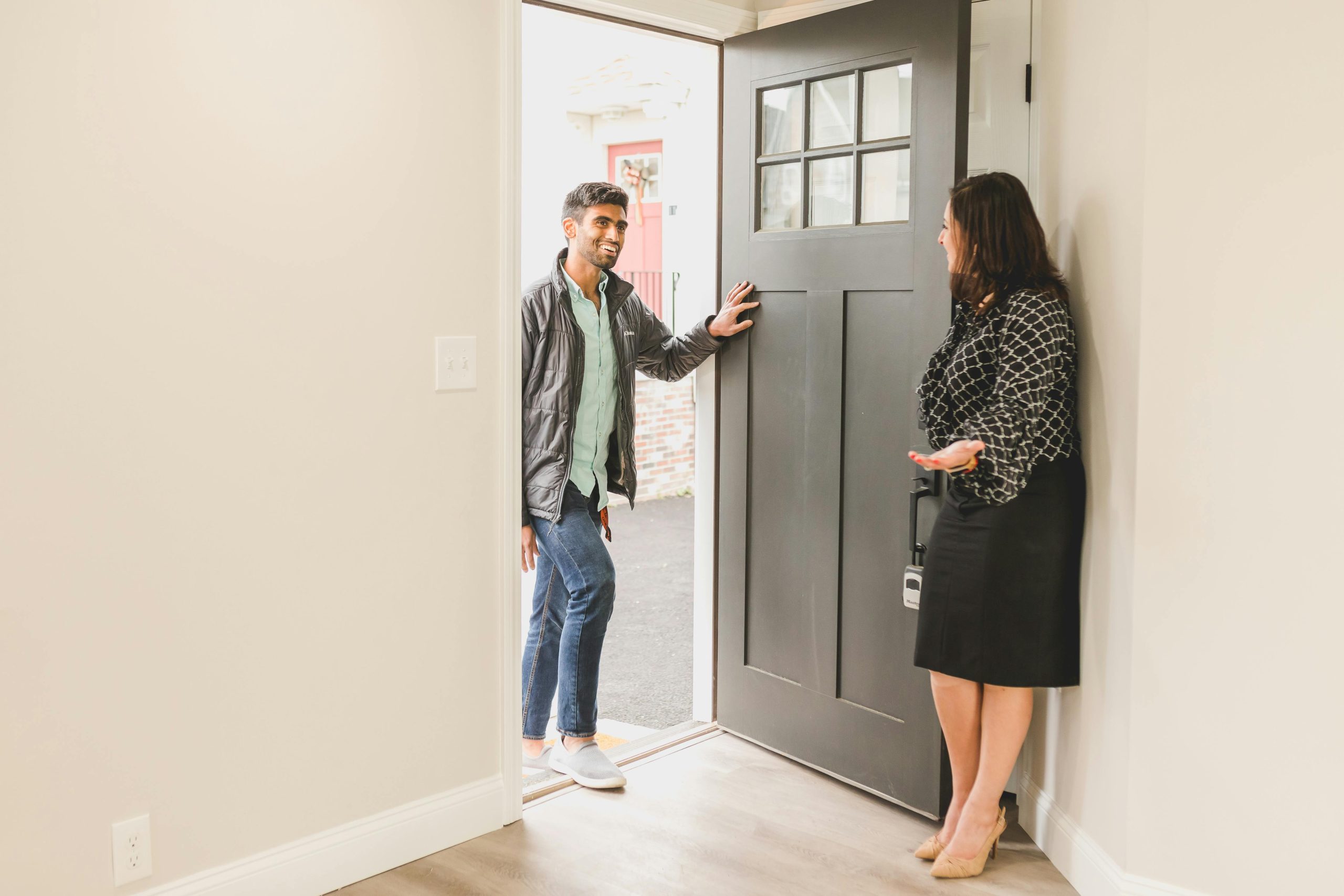
Marketing is the bridge between preparation and sale. In today’s real estate landscape, most buyers start online, so your property must be showcased effectively to generate interest quickly.
- Professional photography: High-quality images highlight the home’s best features and attract online attention. Consider aerial shots if the property has appealing outdoor space.
- Online listings: Advertise on multiple platforms, including MLS, Zillow, and social media, to reach the widest audience possible.
- Virtual tours: Offer 3D walkthroughs or video tours, especially for out-of-town buyers, to provide a realistic sense of space.
- Open houses: Schedule well-coordinated showings to attract multiple buyers at once, creating urgency and potential bidding competition.
Strong marketing increases exposure, shortens time on market, and can directly affect your final sale price.
How Should You Evaluate Offers?
Receiving offers is exciting, but careful evaluation is crucial. The highest offer may not always be the best when you factor in contingencies and timing.
- Consider contingencies: Some buyers may request repairs or require specific financing conditions. Weigh these carefully against your timeline and profit expectations.
- Timing matters: Quick closing offers reduce your carrying costs and allow you to move on to the next project faster.
- Compare net proceeds: Calculate the actual amount you will receive after agent commissions, taxes, and other fees.
For flippers, negotiating counteroffers strategically can increase your final profit while ensuring the sale progresses efficiently.
What Happens During the Closing Process?
The closing process finalizes the sale and transfers ownership to the buyer. Understanding what happens here helps you avoid delays and unexpected expenses.
- Title and escrow: Confirm that all legal documentation is complete and accurate. Title insurance protects against potential ownership disputes.
- Inspections and appraisals: Buyers often request final inspections and appraisals. Be prepared to address minor issues promptly.
- Final walkthrough: Buyers will confirm that the property is in the agreed-upon condition. Fix any outstanding items before this step.
- Transfer of ownership: Sign closing documents to complete the sale and receive your funds.
Being organized and proactive during closing ensures a smooth transaction and minimizes the risk of last-minute complications.
How Do You Learn From Each Flip?
Each flip offers valuable insights that can improve future projects. By analyzing successes and mistakes, you can refine your process and increase profitability over time.
- Review renovation choices and ROI: Determine which updates added the most value and which didn’t move the needle.
- Evaluate contractors and vendors: Track reliability, quality, and timeliness for future reference.
- Track timelines and budget performance: Identify bottlenecks or overspending and adjust your workflow.
- Adjust your strategy: Use lessons learned to improve project planning, renovation choices, and marketing for your next flip.
Continuous learning is the key to becoming a consistently successful house flipper.
Tips for Making the Selling Process Smoother
Even with careful planning, sales can encounter challenges. These tips can streamline your process and minimize stress:
- Keep communication clear: Maintain regular updates with contractors, agents, and buyers.
- Stay organized: Use checklists for tasks, deadlines, and budgets to avoid oversights.
- Anticipate buyer expectations: Understand what buyers in your market prioritize, from kitchen layouts to flooring types.
- Plan for contingencies: Set aside funds and time buffers for unexpected repairs or market shifts.
By implementing these strategies, you can reduce surprises, ensure smoother transactions, and protect your profit margins.
Final Thoughts
Selling a house as a flipper is a complex process that involves careful planning, smart renovations, effective marketing, and strategic decision-making. By following these steps — from preparing your home and making high-impact improvements to staging, marketing, and closing — you can maximize your return and sell efficiently.
Remember, each flip is an opportunity to learn, improve, and increase your expertise. Whether you’re managing your first property or your tenth, a structured approach ensures every sale is a success.